Downspout Blockage Removal in Baltimore, MD
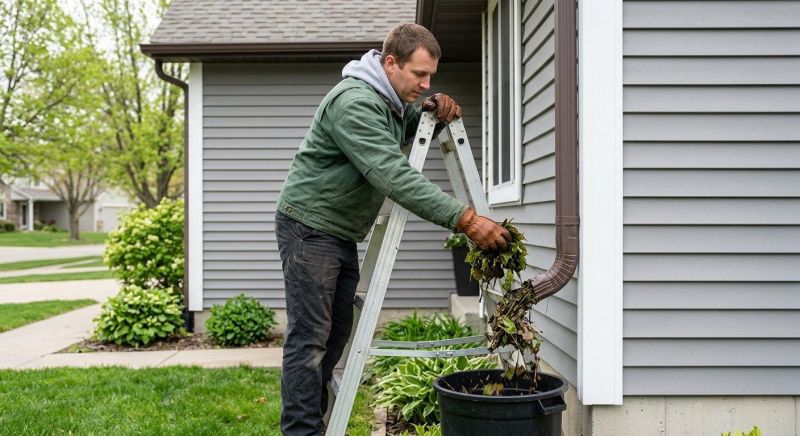
Downspout blockage removal services focus on clearing obstructions that prevent rainwater from flowing properly through the downspouts and away from the property. These blockages can be caused by leaves, dirt, debris, nests, or ice buildup, often leading to water overflow, foundation issues, or damage to gutters and fascia. Projects typically involve inspecting the downspouts, removing any debris or obstructions, and ensuring the entire drainage system functions smoothly. Homeowners interested in this service should understand the importance of regular maintenance to prevent water damage and be aware of signs such as overflowing gutters or water pooling near the foundation.
Before requesting downspout blockage removal, property owners often want to know about the scope of the work, including whether the service covers just the visible parts or involves inspecting underground or hidden sections. It’s also helpful to understand if the service includes checking for potential causes of blockages and recommendations for ongoing maintenance. Clarifying these details can ensure that the drainage system remains effective, reducing the risk of water-related issues and protecting the property’s structural integrity.
Many property owners in Baltimore, MD look into Downspout Blockage Removal for repairs, replacements, upgrades, and appearance-related improvements.
Common Causes Of Downspout Blockages
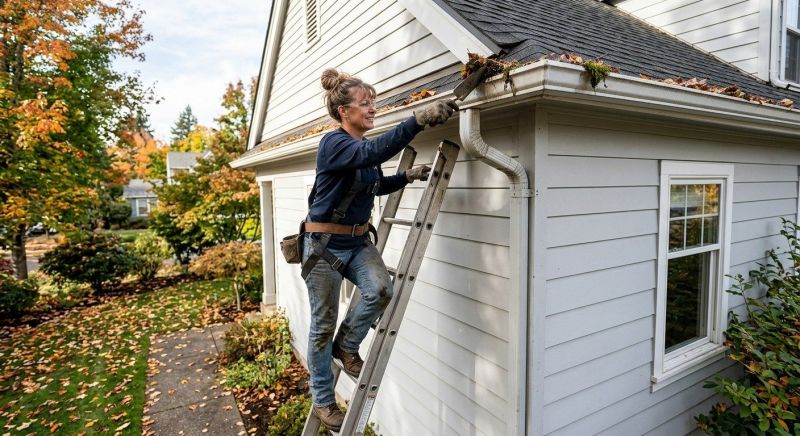
Leaves, debris, and ice can cause downspouts to become clogged and prevent proper drainage.
Signs Of Downspout Obstruction
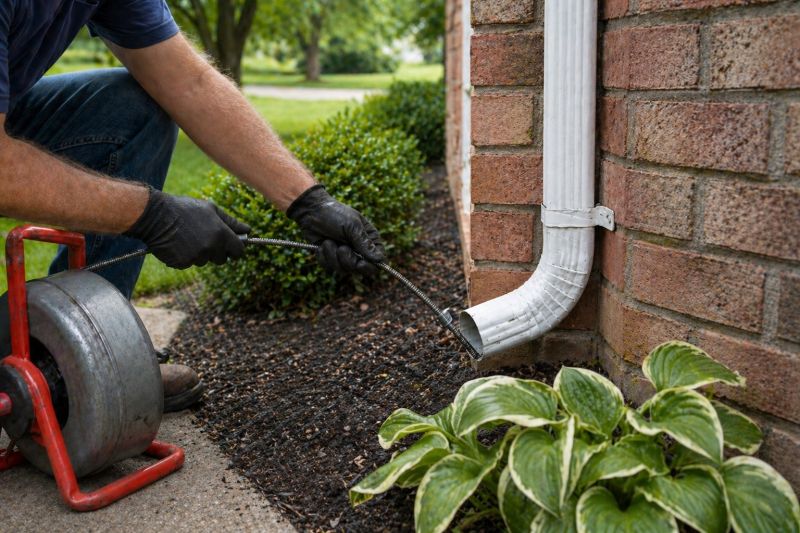
Overflowing gutters and water pooling near the foundation often indicate blocked downspouts.
Benefits Of Blockage Removal
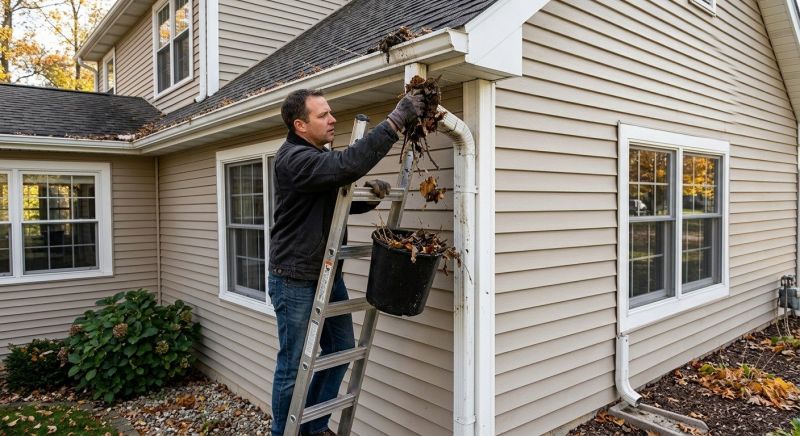
Clearing obstructions helps protect your home's foundation and keeps water flowing away from the property.
Downspout Blockage Removal in Baltimore, MD

Downspout blockage removal services focus on clearing obstructions that prevent rainwater from flowing properly through the downspouts and away from the property. These blockages can be caused by leaves, dirt, debris, nests, or ice buildup, often leading to water overflow, foundation issues, or damage to gutters and fascia. Projects typically involve inspecting the downspouts, removing any debris or obstructions, and ensuring the entire drainage system functions smoothly. Homeowners interested in this service should understand the importance of regular maintenance to prevent water damage and be aware of signs such as overflowing gutters or water pooling near the foundation.
Before requesting downspout blockage removal, property owners often want to know about the scope of the work, including whether the service covers just the visible parts or involves inspecting underground or hidden sections. It’s also helpful to understand if the service includes checking for potential causes of blockages and recommendations for ongoing maintenance. Clarifying these details can ensure that the drainage system remains effective, reducing the risk of water-related issues and protecting the property’s structural integrity.
Many property owners in Baltimore, MD look into Downspout Blockage Removal for repairs, replacements, upgrades, and appearance-related improvements.
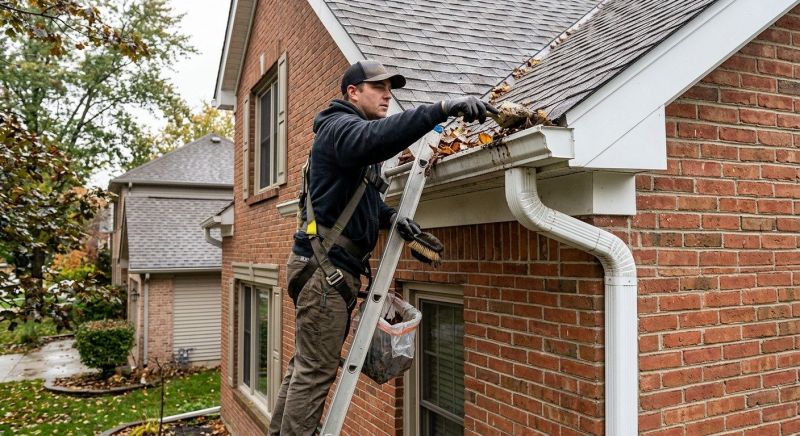
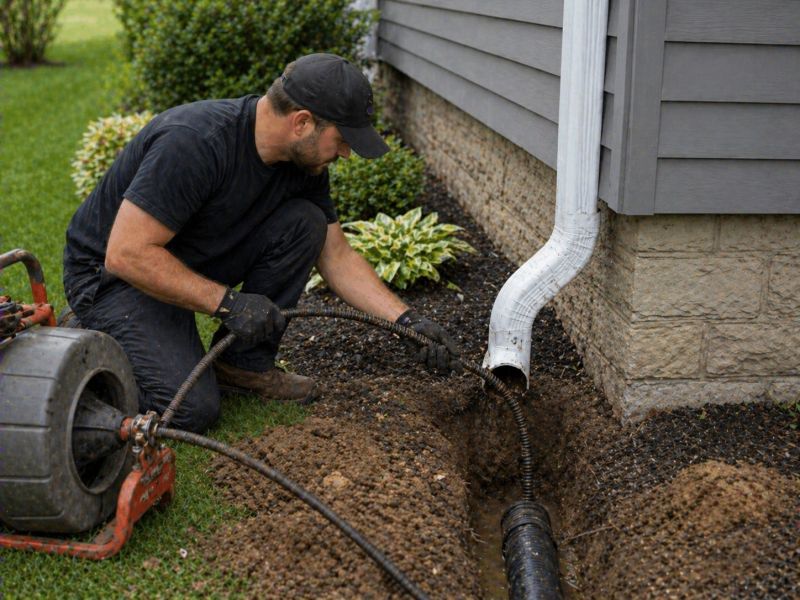
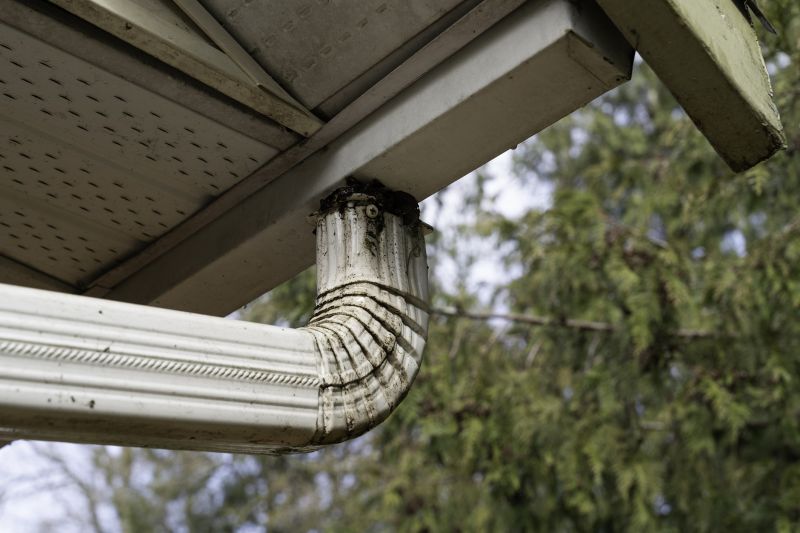
Common Downspout Blockage Removal Jobs
Downspout Blockage Removal Questions
What causes downspout blockages? Blockages are often caused by leaves, debris, or ice buildup that prevent water from flowing freely.
How can I tell if my downspout is clogged? Signs include water overflowing from the gutter, pooling around the foundation, or visible debris near the outlet.
What are common methods for removing downspout blockages? Techniques include manual removal of debris, flushing with water, or using specialized tools to clear obstructions.
Why is it important to clear downspout blockages? Clearing blockages helps prevent water damage, foundation issues, and basement flooding around the property.
Request Downspout Blockage Removal in Baltimore, MD
Use the quote form on this page to share the basics of your project and request more information for the type of work you need.